Why?
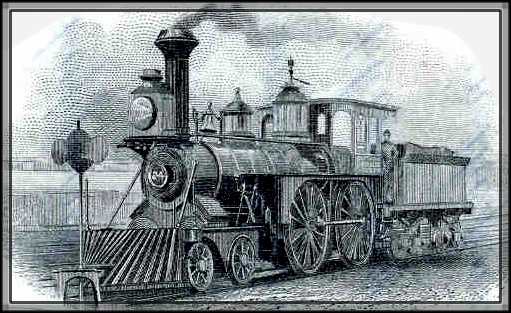
Steam engines, steam ships, and the industrial revolution. Ordering foods from across the country and world began to supplant the tradition of "shopping locally". However, the lack of refrigeration (and other means of preservation) was still a problem, causing the shift to be prevalent but gradual.
As a result, choice in foreign cuisine began to increase. However, this new-found variety in imported food was limited to the upper class. During the nineteenth century, differences between what, where, and how the poor and rich ate were distinct and rigorous.
As much as upper class Victorians could test out fancy French and Italian restaurants, the lower class was limited to buying breakfast every morning off the street for just a penny. This huge gap between the rich and poor was held open by circumstances from each social class.
- The lower class was restricted by technical circumstances; time and money dictated everything they ate. Having little chance of upward mobility in the social hierarchy, most individuals were stuck scrabbling for food.
- The middle class was governed by both technical and ideological circumstances. Tradesmen, shop owners, clerks, and such, these people avoided being underfed but did not have superfluous money or time to spend on dining. In addition, the middle class followed an ideology based on respectability that influenced their eating habits. From the middle class perspective, the lower and upper class were two opposing points to differentiate themselves from. This idea was essential to the rigidity of the class gap. Not only did the middle class try to avoid falling into the underfed situation of the lower class but also avoided emulating the conspicuous eating habits of the upper class.
- The upper class had both the money and time to eat as they wished. Afternoon tea and multiple-coursed meals clearly differentiated them from the lower classes, but competition within the upper class was often of more concern. The details of a dinner party--quality of china, number of servants, time between courses--became a way of gauging and showing a family's prestige and refinement.
- Money and time are still the main factors controlling meals for the lower class. Living off budgets, perhaps 60-70 pounds a week, these families cook from the ingredients they can afford which often end up being scratch from market deals. A resulting stigma surrounds these foods and manifests in a societal judgement against "cheap chicken and chips" (or "fries" as Americans call them). A leading similarity with the nineteenth century, the image of low nutrition is associated directly with the lower class. Poorer people tend to live on cheap and quick fast-food and takeouts, resulting in obesity. As a result, bodily health has also been a continuing problem within the lower class (Carpenter).

- Much of middle class meals are also home-cooked, but there is a larger focus on healthy eating: organic food is a hot commodity. There also still exists a division between middle class eating habits and that of the upper class. Middle class stigmas against excessive upper class dining are the originators of modern slang such as "foodie," calling out upper class gourmands. This divisive spirit is largely influenced by the earlier social hierarchy (Carpenter).

- Although the distinction between upper and middle class dining has been considerably toned down--no more nine-course meals and more ubiquitous restaurant dining--the distinction still exists in the price of food and prestige of restaurants.

