 |
| Haddock |
A large emphasis was placed on eating a good breakfast. As most of the middle class were still laborers, a large and nutritious meal was needed to fuel them through the day. A substantial breakfast would consist of something such as bacon, eggs, coffee, haddock (a salt-water fish), fruits, cheese, and toast ("How the Mid-Victorians).

_________________________________________________________________________________
The Toasty Corner: food in Great Expectations
At the beginning of Great Expectations we see a funny scene:
"My sister a trenchant way of cutting our bread and butter for us, that never varied..."
Pip talks about the way his sister always jams their loaf of bread against her bib and proceeds to butter and cut it as if she were making a plaster mold instead of handling food. The way Mrs. Joe prepares the toast is quite consistent with the slightly rough but comical way she controls Pip and Joe in the household. But perhaps there is an even deeper social implication in the way Dickens portrays her toast-sawing in accordance with the middle class value system.
_________________________________________________________________________________
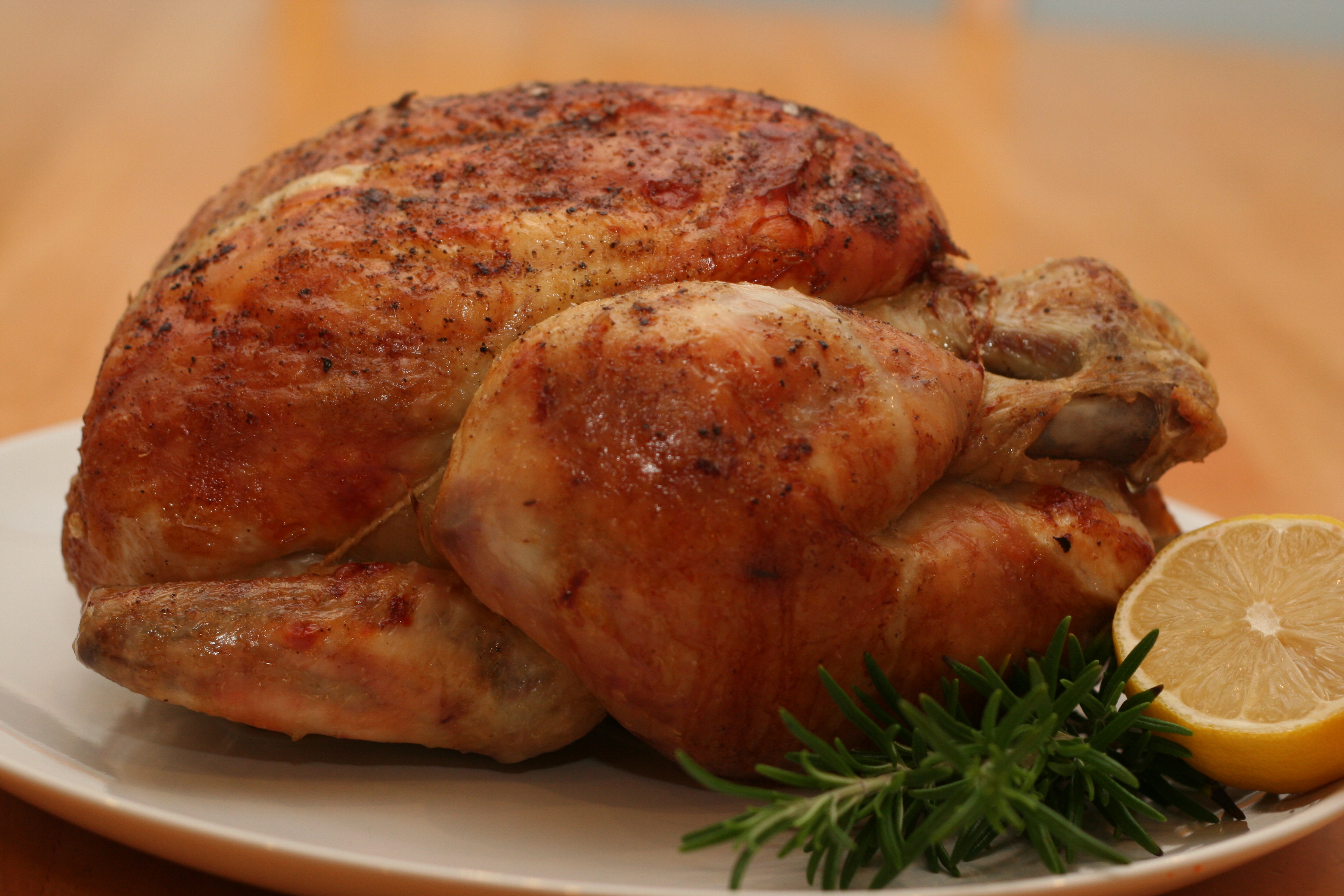
The other large meal of the day was a large supper eaten fairly late into the day. Supper would usually be more centered around meat dishes than breakfast. Most middle class families could afford a substantial serving of meat at least two to three times a week and sometimes more. Pork was the most commonly eaten meat, but various fowl such as chicken or pigeon were also eaten (Johnston 52).

______________________________________________________________________
From Wemmick's job and house, we can tell he falls in the higher end of the middle class. On Pip's first visit to his castle Wemmick proudly presents a feast of "cold roast fowl" and stewed steak. The inclusion of meat immediately cements his status as a fairly prosperous citizen.
Wemmick also points out a mini farm area around his castle:
"At the back, there's a pig, and there are fowls and rabbits; then, I knock together my own little frame, you see, and grow cucumbers; and you'll judge at supper what sort of salad I can raise..."
Raising some of his own animals and crops, he is able to add some variety to the dinner dishes and at the same time save a bit of energy in the shopping process.

No comments:
Post a Comment